Work first, play later.
A breakthrough mantra.

The dog days of summer have struck us here in Greenville, South Carolina, and while yes, hot, they bring with them a heavenly charm. Towering clouds pillaring up mile after mile, erected in anticipation of war and the rumble boom crashing rolling roar of lightning that often shakes our windows and certainly wakes our children.
I don’t know if anyone’s noticed how little I talk about the content of my pages, the actual story being written in them. In the fear this could be taken as a kind of disinterest on my part I want to make good my intention of letting the reader read the complete story without my voice shaping the narrative one way or another for them. And while I suppose one could look at what I’m doing and call it “art forward” I assure you the story and the characters are by far what excite me most about it. Creating pictures is so tasking for me that I won’t do it if I don’t believe in the heart of the story. I’m not a artist who passes my time drawing, I’d rather be reading.
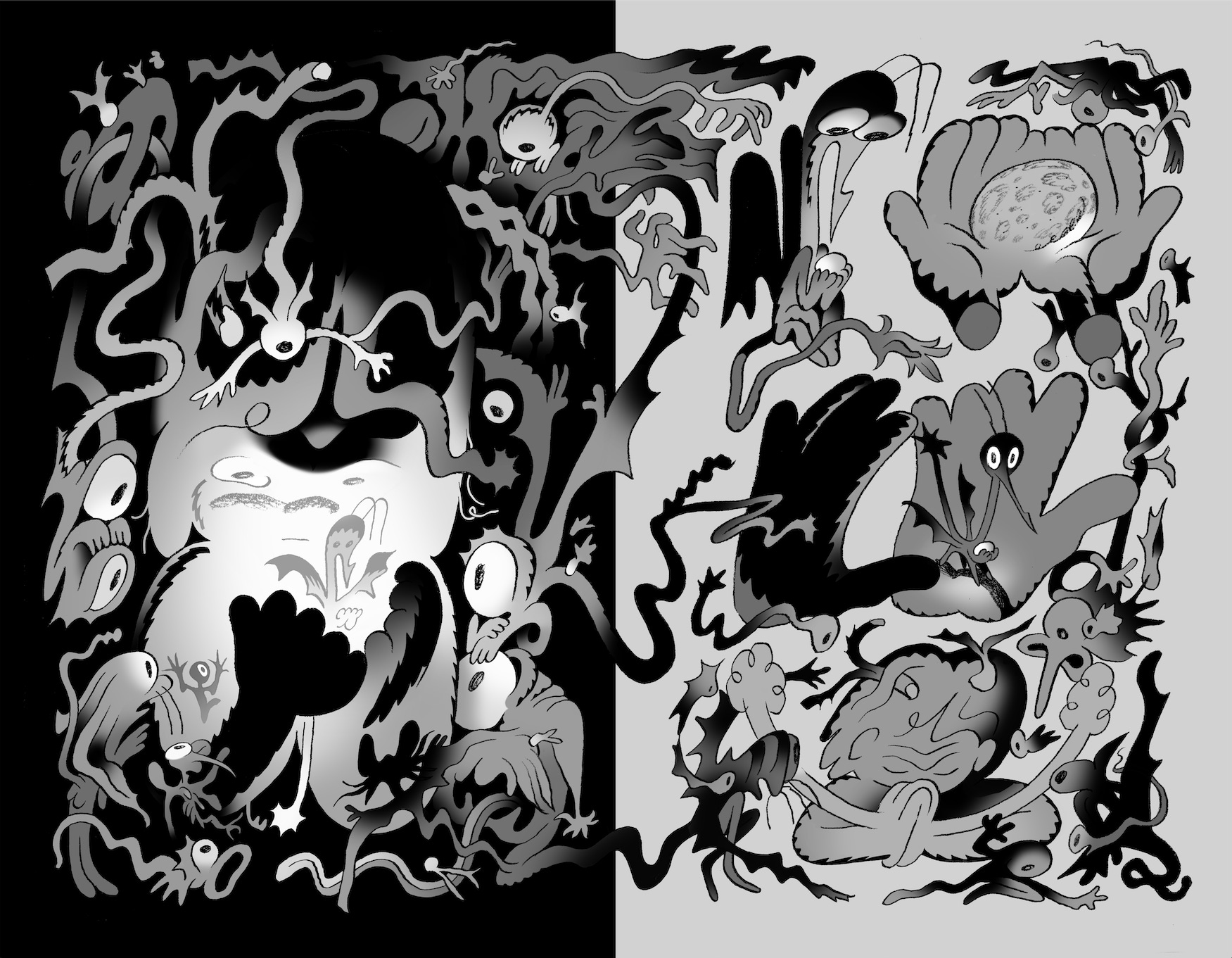
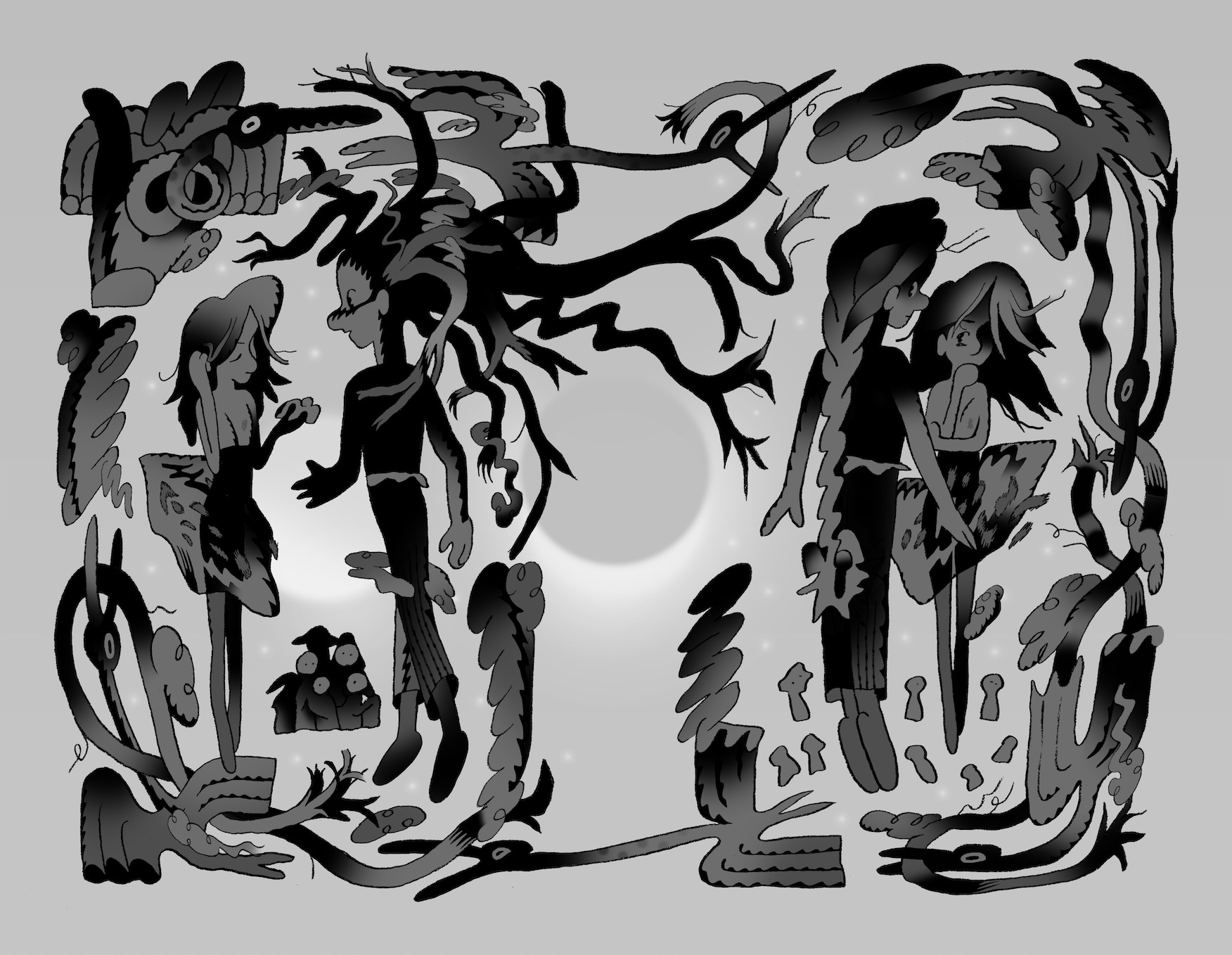
This spread continues the story I left off here and feels very much like a stylistic break-through to me. The main contributor, I think, being that I’m finally figuring out how to protect negative space in the composition. Looking back over previous pages may convince you of this. While there’s some fine work there, “crowded, or cramped” wouldn’t be an unfair assessment. While this new pages is busy it does feel better planned. Most likely because I spent more time sketching the lighting/shading of the thing.
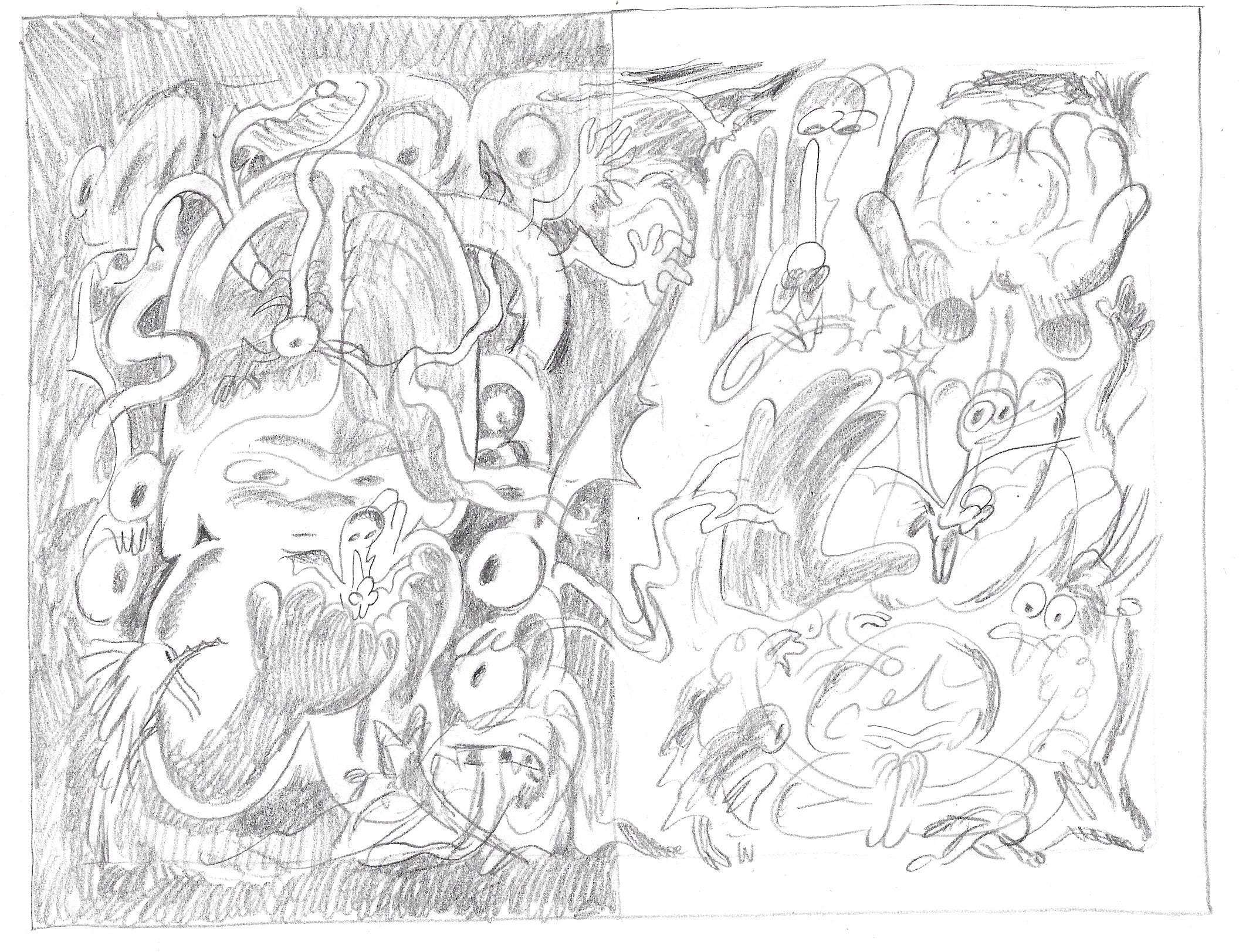
Of the previous pages this one(below) felt the most haphazard, understandably as it was the first of this new style. I was feeling my way through it and hadn’t been all that serious about planning and thinking about the grid underneath.
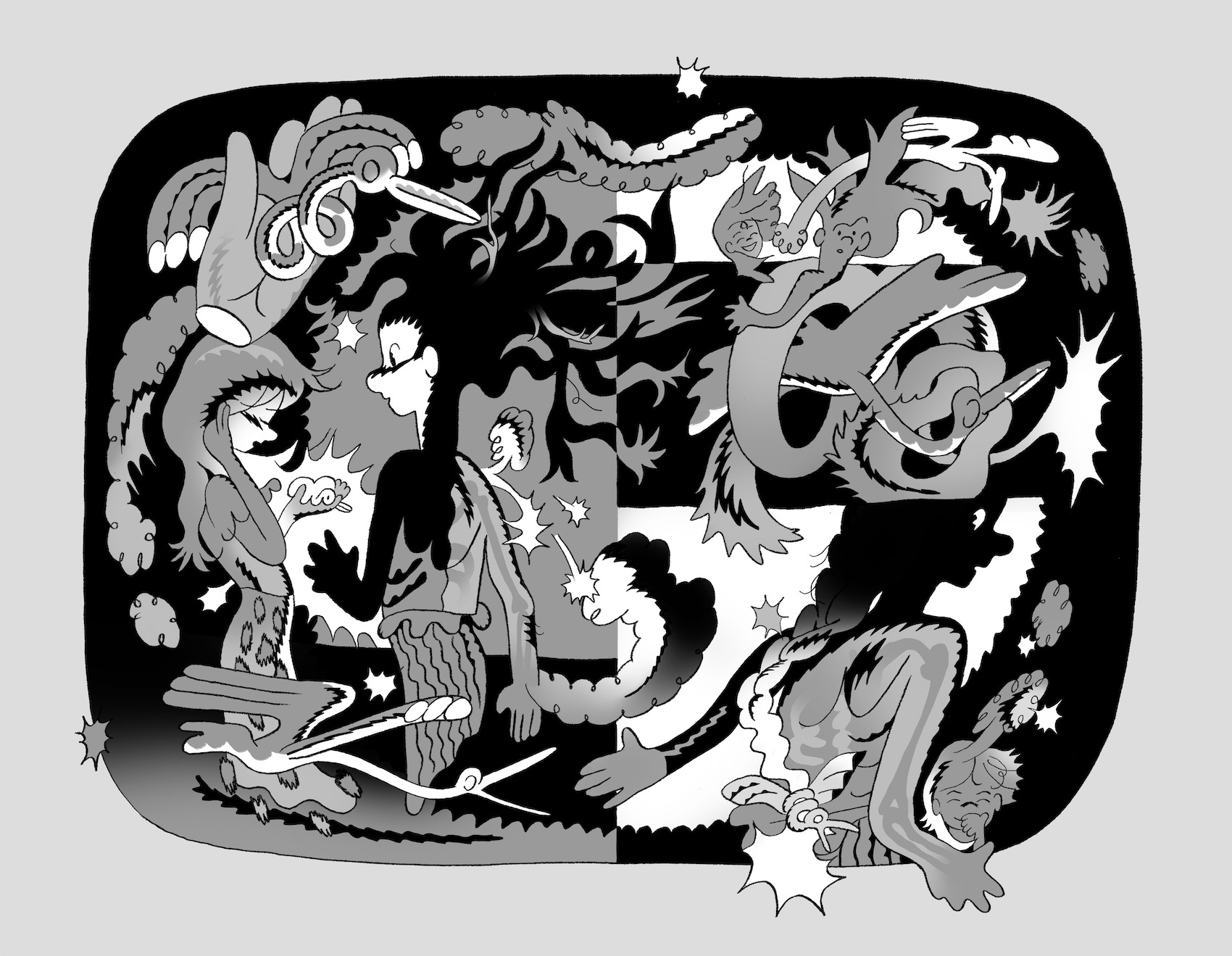
If this is the breakthrough that will characterize my method for each spread, and the book as a whole, I’d like to give it a mantra: Work Now, Play Later. The real labor for me, and maybe most artists, is the composition, the structure, the plan on which to build. It’s 100% thought work, meaning no podcasts, audiobooks, or movies in the background, even most music will take my attention away from what I’m supposed to be doing. Just a slim diet of classical music or crickets in the beds outside my window. It’s work, but if I can do it right the play that comes after will be of a higher quality.
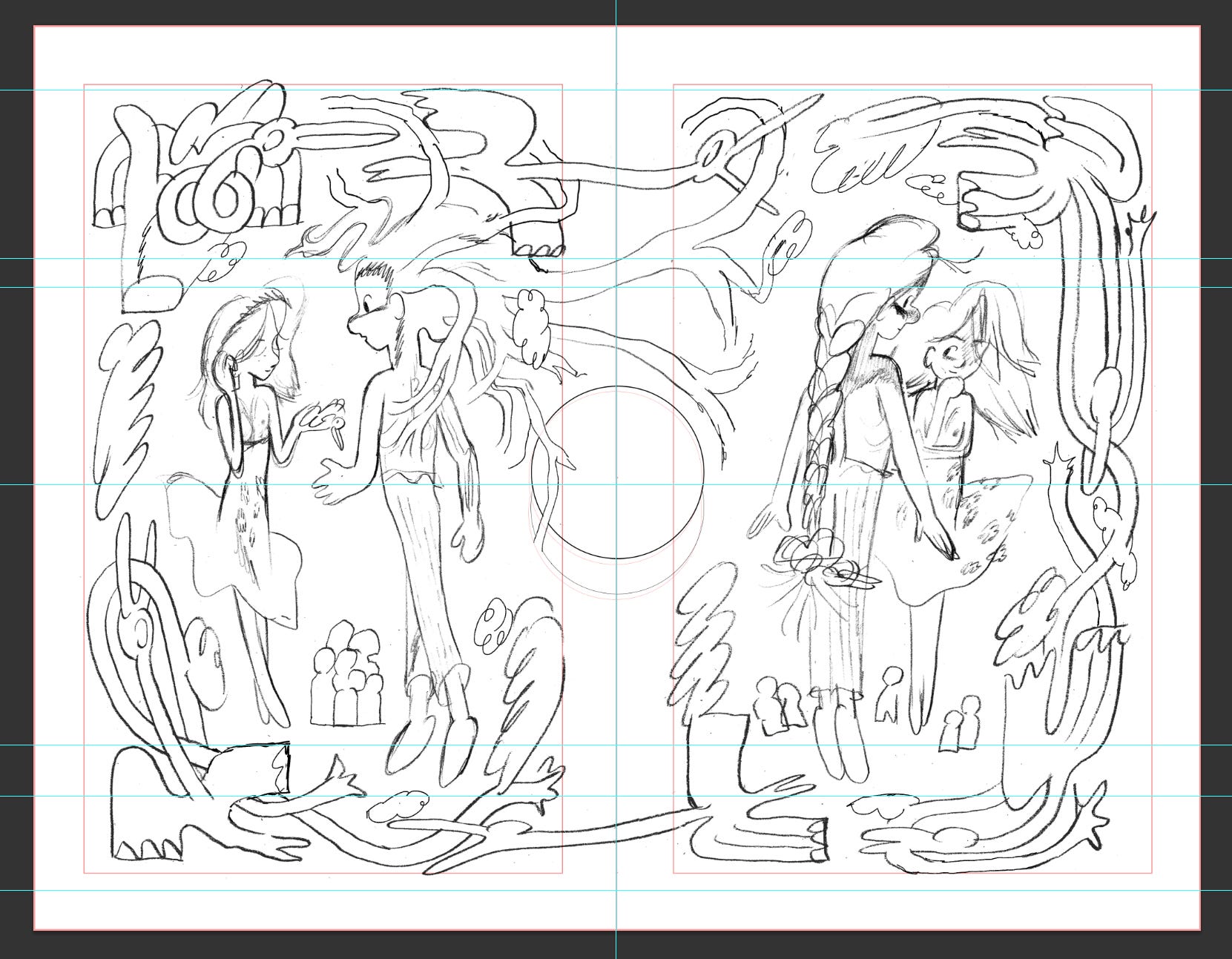
The play is the finish, the detail, the noodling, the podcasts, the audio books and the loud music that can push me into a new zone like a runners high. There’s still periods of doubt, but because I’m spending more time designing the foundation it’s mostly a question of “what to add?” instead of the sinking feeling of “is this working?” I don’t know that I’m entirely done with this spread but like it much more than the first attempt. Show casing the entire figures of the lead actors, getting some of the supporting cast in the mid ground and an albeit vague celestial background have really transformed it. I hope for the better, but you can leave your disapproval in the comments if you’d like.
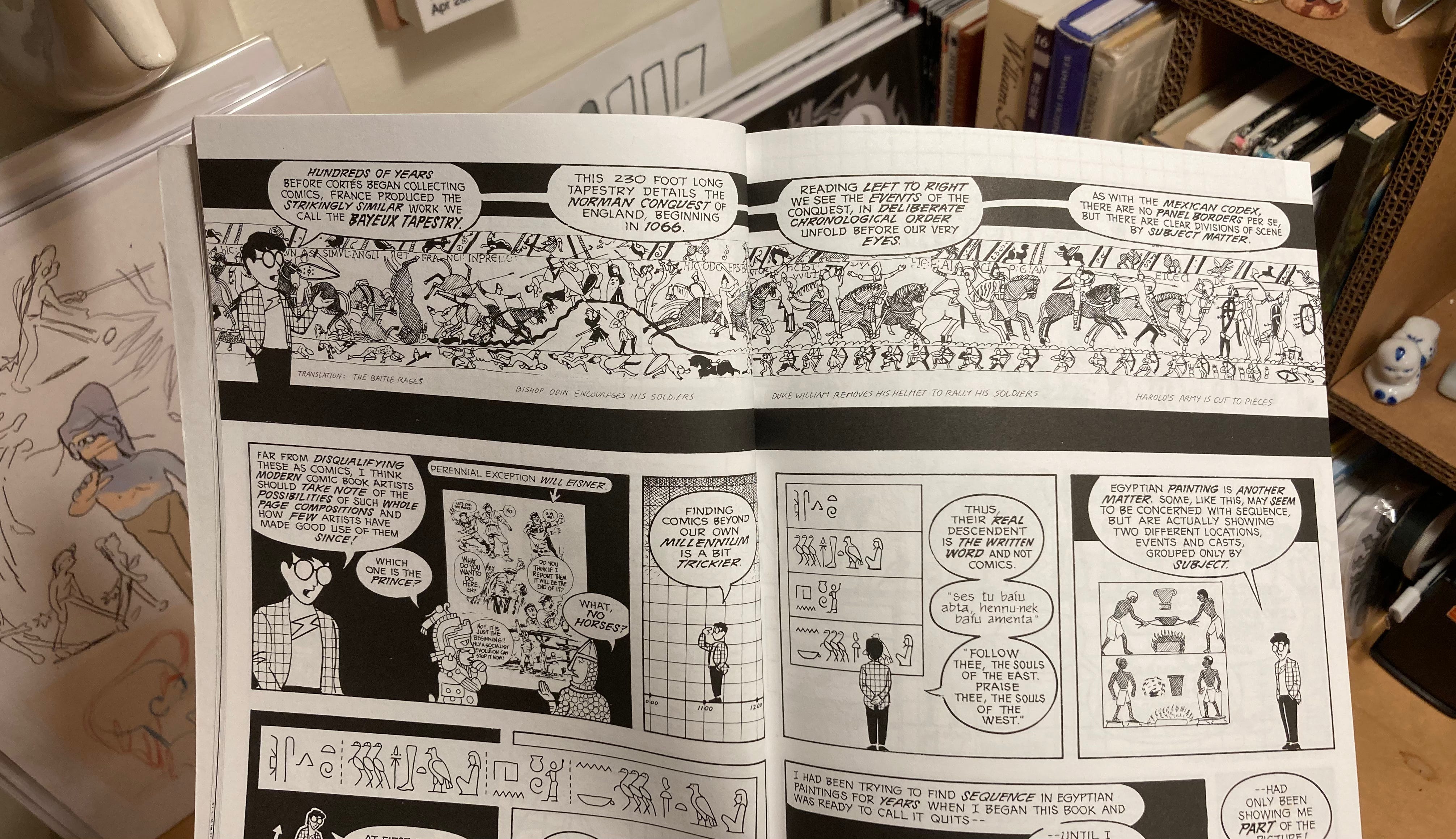
And thanks Cal for connecting what I’m doing to something Scott McCloud pointed out in his legendary 1994 book Understanding Comics. France’s Bayeux Tapestry is a clear example of sequential storytelling delineated by subject matter, not panel borders. I’ve been subconsciously trying to present this story with a feeling of age, much like the story tapestry featured in the opening of Miyazaki’s Nausicaä. So, a technique found in the 11th century feels good to me.
Till next week! Thanks for your attention and have a great week!
Thanks for the shoutout! I was simply thrilled to find connective tissue between your prior very thoughtful musings on composition and my reread of Understanding Comics and had to share. I think Candice Purwin is doing great work exploring the blending of illustrated composition and comics in her fantastic GN The Book of Murmurs. And Emily Carrol has been doing much the same!
it definitely looks like the more work you put in on the front end, the more fun the PLAY will be. Such a good perspective on comic book creation.